
06 · Lawn & Yard Care
The upkeep that keeps a finished yard looking finished
Mowing and edging, fertilizer and weed control, aeration and overseeding, beds and mulch, trimming, and the spring and fall cleanups.
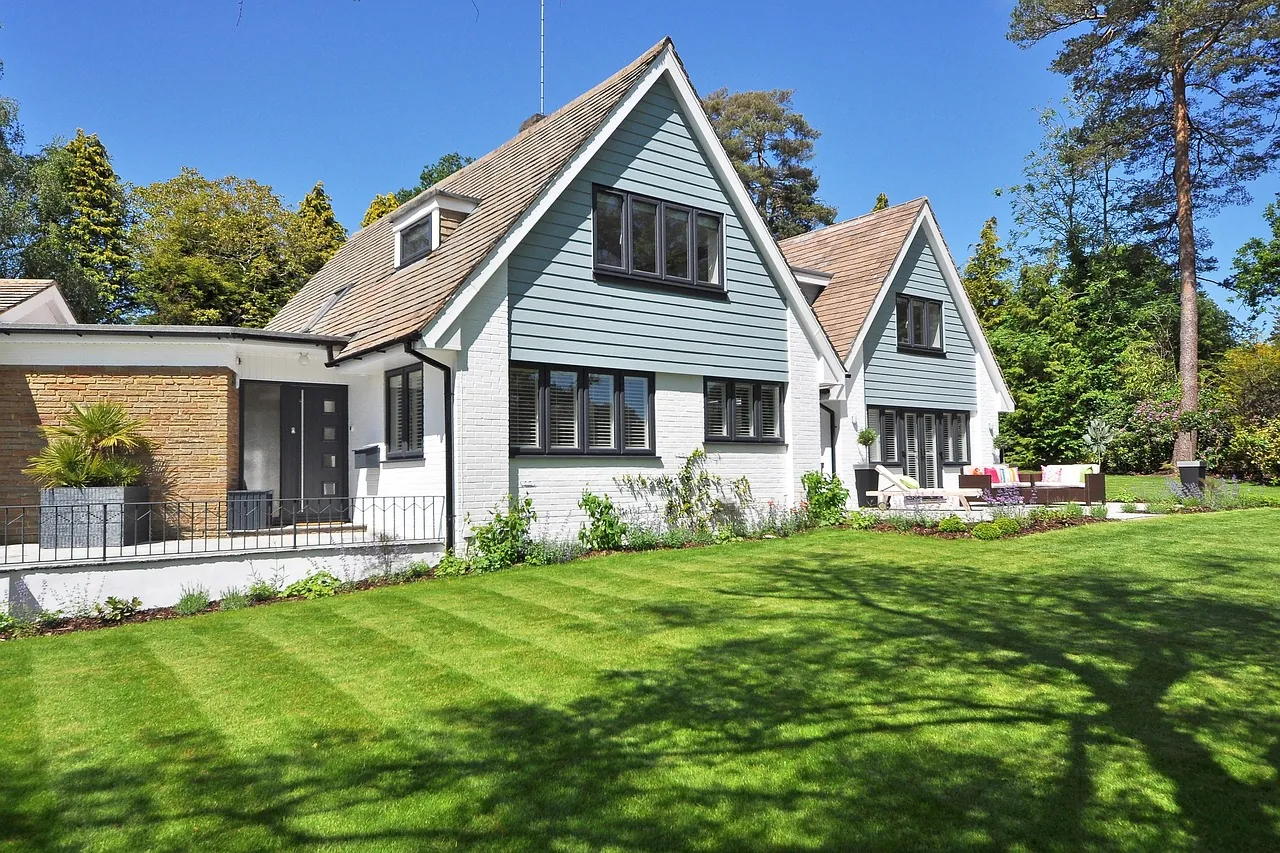
01What is included
Regular care and the seasonal jobs
-
Mowing and edging
On a weekly schedule through the growing season, set to your grass type, with clean edges along walks and beds.
-
Fertilization and weed control
Feeding and weed treatments timed to the grass and the season instead of a fixed calendar.
-
Aeration and overseeding
Core aeration to open compacted soil and seed to thicken thin turf, in the window that suits your lawn.
-
Beds and mulch
Weeding, edging and fresh mulch at the right depth.
-
Shrub and hedge trimming
Shaping at the right time for each plant, so flowering shrubs still flower.
-
Seasonal cleanups
Leaves, branches and debris cleared in spring and fall, or once before an event or a sale.
02The Middle Tennessee year
Lawn care on the local calendar
Most lawns around Brentwood and Franklin are tall fescue, a cool-season grass, with Bermuda and zoysia in the sunnier yards. They want opposite things. Fescue thins in the summer heat and recovers in fall, so September and October are when it is aerated, overseeded and fed. Bermuda and zoysia grow hardest in summer and are aerated in late spring or early summer.
Spring is about weeds: a pre-emergent goes down in late winter or early spring, before crabgrass sprouts. Summer is about mowing high and not scalping a stressed lawn. Fall is leaves, which smother grass if they sit, and the season’s last cut.
Beds need less but need it on time. Two to three inches of mulch holds moisture and blocks weeds; more than that suffocates roots. Spring-flowering shrubs are trimmed right after they bloom.
A new install gets the closest watch: sod and new plantings need steady water through their first summer, and catching a dry spell early is the difference between rooted and replaced.
03Answers
Lawn and yard care questions
How often should my lawn be mowed in Tennessee?
About once a week through the growing season, adjusted to your grass and to the weather; a fast spring flush may need more and a dry August less. Cutting no more than a third of the blade at a time keeps the lawn thick.
When should I aerate and overseed in Middle Tennessee?
For tall fescue, the usual lawn here, early fall is the time: the soil is still warm and the nights are cooling. Bermuda and zoysia are aerated in late spring or early summer instead, while they are growing hard.
Do you do one-time yard cleanups?
Yes. Besides regular care there are one-time spring and fall cleanups, or a single visit before a party, a sale or a move.
How deep should mulch be?
Two to three inches in the beds is enough to hold moisture and keep weeds down. Pull it back from tree trunks and shrub stems; mulch piled against the bark holds water against it.
When should shrubs and hedges be trimmed?
Spring bloomers such as azaleas and forsythia are trimmed right after they flower, or next year’s buds go with the cuttings. Evergreen hedges take a shaping in late winter and a lighter one in early summer.