
04 · Grading & Site Prep
Ground that is cut, filled and packed before anything goes on it
Clearing, grading, leveling, soil preparation, compaction and layout, for a patio, a lawn, a new house or a whole lot.
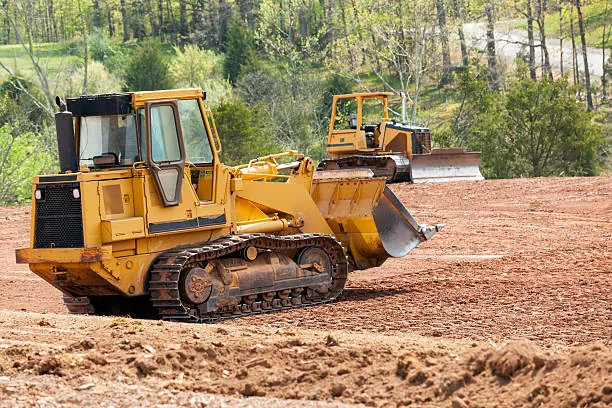
01The groundwork
Five steps between raw ground and a buildable site
-
Clearing and debris removal
Brush, stumps, old concrete and storm debris taken out, so the grade is shaped on clean ground.
-
Grading and leveling
Cutting high spots and filling low ones to the elevations the job calls for, with the ground falling away from the house.
-
Soil preparation and compaction
Fill placed in layers and compacted where something will be built, loosened and amended where something will grow.
-
Drainage planning
Deciding where the water will go before the grade is final, rather than chasing puddles afterward.
-
Layout and marking
The patio, the walls, the beds or the building pad staked and painted on the ground before the real work starts.
02Why it comes first
Everything you build sits on this
Grading is the step people want to skip and the one they pay for later. Loose fill that was never compacted settles, so a patio on it sinks and a lawn on it dips. Ground that tilts toward the house sends every storm at the foundation. The residential building code asks for a fall of at least six inches in the first ten feet from the house, and that is the minimum, not the target.
Middle Tennessee adds two complications. Clay soil compacts well but drains poorly, so the shape of the surface does most of the drainage work. And rock is often close to the surface around Brentwood and Franklin, which can change how deep a cut is practical.
Before any machine digs, the buried lines have to be marked: Tennessee law requires a call to Tennessee 811 at least three working days ahead.
Homeowners call before a patio, a pool or a new lawn; builders and property managers call for lot clearing and pads. On most residential projects the prep takes a few days to a week, and storm cleanup and downed-tree work are handled the same way.
03Answers
Grading and site prep questions
How much does land grading cost?
Grading is priced from the area, how much soil moves in or out, whether trees and debris have to be cleared first, and how equipment reaches the site. Hunter walks it and puts the number in a free written estimate.
How long does site prep take?
On most residential projects, a few days to a week. Clearing a wooded lot, hauling in fill or waiting out wet ground can stretch it.
Do I need to call 811 before grading my yard?
Yes. Tennessee law requires a call to Tennessee 811 before digging, at least three working days ahead, so the buried utility lines are marked before any machine breaks ground.
How should a yard slope away from a house?
The residential building code calls for the ground to fall at least six inches within the first ten feet of the foundation. Less than that, and water from the roof and the lawn runs back toward the house.
Do you clear storm debris and fallen trees?
Yes, tree work and storm debris cleanup are part of the clearing work. After a storm, call with what came down and where it landed.
Do you prepare lots for builders?
Yes. Builders and property managers call for clearing, rough and finish grading, compaction and layout marking, as well as homeowners getting ready for a patio or a new lawn.